
Table of Contents
ToggleClothes Style Guide: Formal Wear, Japanese Fashion, and Jeans
Fashion is more than just wearing clothes—it is a way to express personality, confidence, and culture. Different clothing styles suit different occasions, moods, and lifestyles. Some people love classy and professional outfits, while others prefer streetwear or casual comfort. In this blog, we will explore three popular clothing categories: Formal Wear, Japanese Fashion, and Jeans. Each style has its own charm, purpose, and audience. Understanding these styles can help you build a versatile wardrobe and improve your fashion sense.
1. Formal Clothes – Style with Elegance


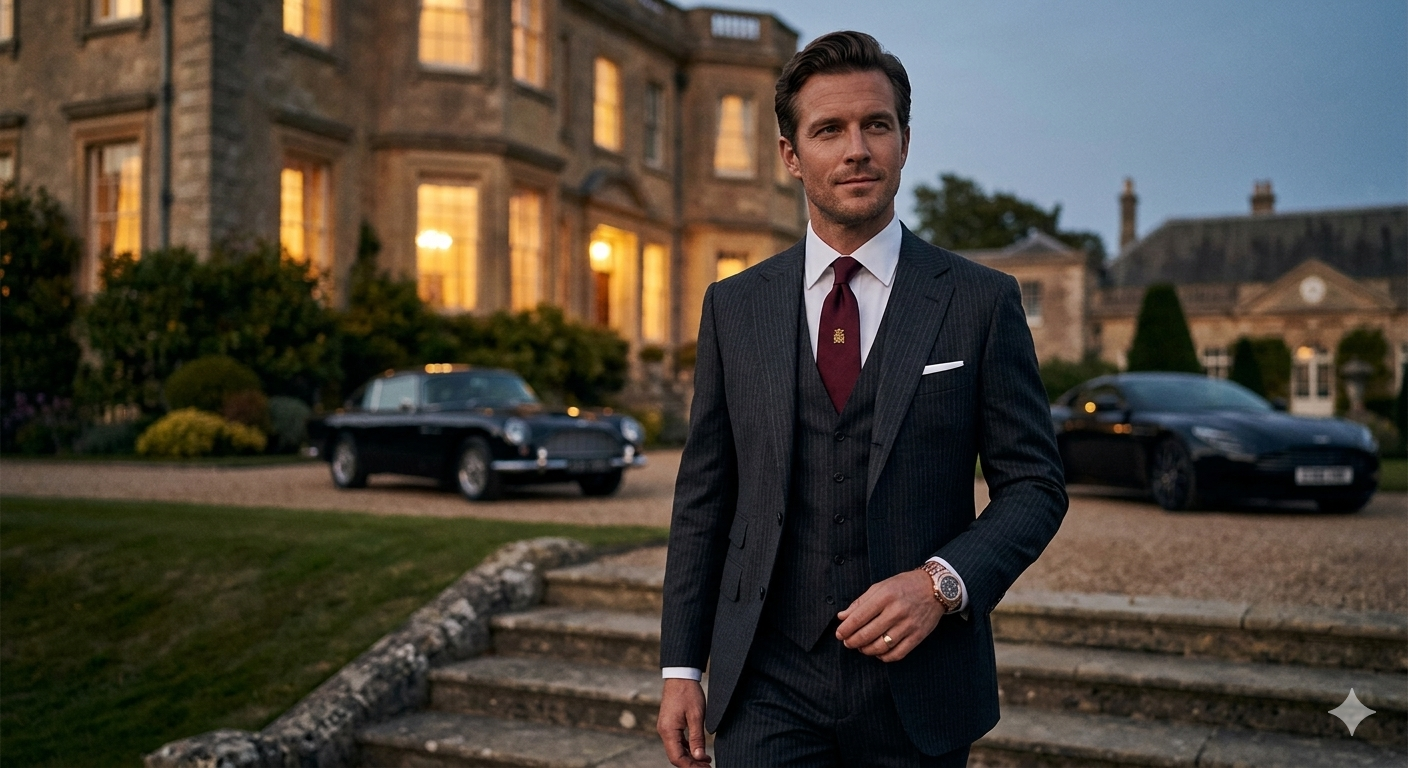
Formal clothes are outfits designed for professional, business, or special occasions. They are known for their neat appearance, sharp cuts, and polished style. Formal wear gives a person a confident and sophisticated look.
Popular Formal Clothes for Men:
Suits (two-piece or three-piece)
Blazers
Dress shirts
Trousers
Ties and bow ties
Leather shoes
Popular Formal Clothes for Women:
Blazers with trousers
Pencil skirts
Formal dresses
Button-up shirts
Heels or loafers
Where to Wear Formal Clothes:
Office meetings
Weddings
Interviews
Business events
Formal dinners
Why Formal Wear is Important:
Formal clothing creates a strong first impression. It shows discipline, professionalism, and respect for the occasion. For students and professionals, having at least one good formal outfit is very useful.
Styling Tips:
Choose neutral colors like black, navy, grey, or white.
Make sure clothes fit properly.
Keep shoes clean and polished.
Add a watch or simple accessories for a premium touch.
Formal wear never goes out of style. It is a timeless category that always looks smart and classy.
2. Japanese Fashion – Creative and Trendy


Japanese fashion is famous worldwide for its creativity, uniqueness, and bold self-expression. Japan has many fashion styles, from clean minimalist outfits to colorful streetwear. Cities like Tokyo, especially Harajuku and Shibuya, are known as fashion hubs.
Popular Japanese Fashion Styles:
Harajuku Fashion
Harajuku style is colorful, fun, and experimental. It often includes oversized clothes, bright colors, layers, and accessories.
Minimalist Fashion
Many Japanese brands also focus on clean, simple, and elegant designs. Neutral tones, quality fabrics, and relaxed fits are common.
Streetwear
Japanese streetwear brands are highly respected globally. Hoodies, cargo pants, sneakers, and graphic tees are popular.
Why Japanese Fashion is Special:
Mix of traditional and modern culture
Unique creativity
Attention to detail
Comfortable yet stylish designs
Famous Japanese Clothing Brands:
Uniqlo
Comme des Garçons
BAPE
Issey Miyake
Styling Tips Inspired by Japanese Fashion:
Try layering clothes.
Use oversized shirts or jackets.
Mix neutral and bold colors.
Focus on clean sneakers and accessories.
Be confident with your own style.
Japanese fashion teaches that clothes can be artistic and personal. It encourages people to be different and expressive.
3. Jeans – The King of Casual Wear


Jeans are one of the most popular clothing items in the world. They are comfortable, durable, and suitable for almost everyone. Jeans started as workwear many years ago, but today they are a global fashion essential.
Types of Jeans:
Slim Fit Jeans
Skinny Jeans
Straight Fit Jeans
Relaxed Fit Jeans
Baggy Jeans
Ripped Jeans
Why People Love Jeans:
Comfortable for daily wear
Easy to match with shirts or t-shirts
Strong and long-lasting
Stylish for casual looks
Available in many colors and fits
Best Ways to Style Jeans:
Casual Look:
Pair jeans with a t-shirt and sneakers.
Smart Casual Look:
Wear jeans with a polo shirt or blazer.
Streetwear Look:
Use baggy jeans with hoodie and chunky shoes.
Choosing the Right Jeans:
Select a fit according to body shape.
Dark blue jeans look more premium.
Black jeans are versatile.
Stretch denim gives more comfort.
Jeans are perfect because they can be simple or fashionable depending on how you style them.
4. How to Combine These Styles


Today’s fashion world allows mixing styles creatively. You don’t need to wear only one category.
Examples:
Formal + Jeans: Blazer with dark jeans
Japanese + Jeans: Oversized hoodie with baggy denim
Formal + Japanese: Minimalist suit with sneakers
This mix creates fresh and modern looks.
5. Fashion Tips for Every Wardrobe


No matter which style you like, some fashion tips always help:
Buy quality over quantity.
Choose clothes that fit well.
Keep clothes clean and ironed.
Use basic colors for easy matching.
Add a few statement pieces.
Dress according to occasion.
Confidence is the best accessory.
Conclusion
Formal wear, Japanese fashion, and jeans each represent different parts of the fashion world. Formal clothes show elegance and professionalism. Japanese fashion reflects creativity and individuality. Jeans offer comfort and timeless casual style. By understanding these styles, you can build a wardrobe that works for office, outings, parties, and daily life.
Fashion is not about copying others—it is about finding what suits you best. Whether you wear a sharp suit, stylish Japanese streetwear, or classic denim jeans, the key is to wear it with confidence.